Olivia Nuzzi and the Narrative of “American Canto”: A Reflection on Journalism and Society
In a world where stories shape our understanding and drive our actions, the role of journalists in narrating these stories is pivotal. Olivia Nuzzi, a renowned journalist, has recently come under scrutiny for her book “American Canto,” which has sparked a lively debate about the portrayal of truth and reality in modern journalism. While the book has been described as a story about the battle for the souls of a country and a journalist, The Intercept’s critique suggests it fails to capture the essence of how things actually work. This narrative raises crucial questions about the role of journalism in shaping societal consciousness and the responsibility of storytellers in depicting reality.
Read the full article: Olivia Nuzzi Is Completely Oblivious (The Intercept)
Unpacking “American Canto”: An Overview
“American Canto” attempts to explore the complexities of the American socio-political landscape through the eyes of a journalist. Nuzzi, known for her incisive political reporting, takes readers on a journey through a fictionalized account of the struggles faced by a nation and the internal conflicts of a journalist caught in the fray. The book is positioned as a reflective piece on the moral and ethical dilemmas in journalism, yet according to The Intercept, it misses the mark in portraying the reality of these struggles.
The critique by The Intercept suggests that Nuzzi’s narrative is somewhat detached from the lived experiences of those entwined in the fabric of American society. Instead of offering a gritty, authentic portrayal of the socio-political dynamics, the book is seen as an abstraction that fails to engage with the deeper truths of power, privilege, and resistance.
Progressive Analysis: The Role of Journalism in Social Change
At the heart of this critique lies a broader question about the function of journalism in progressive movements. Journalism has historically been a tool for amplifying marginalized voices and driving social change. It holds the power to challenge the status quo, question authority, and provide a platform for underrepresented groups. However, when journalistic narratives become disconnected from reality, they risk perpetuating misconceptions rather than enlightening audiences.
For progressive movements, the authenticity of storytelling is paramount. Narratives that fail to address systemic inequalities or overlook the voices of marginalized communities can undermine efforts to foster understanding and drive change. By highlighting these gaps in Nuzzi’s work, The Intercept underscores the need for journalists to engage deeply with the realities of those they aim to represent.
The Historical Context of Progressive Journalism
Throughout history, journalism has played a crucial role in progressive movements. From the muckrakers of the early 20th century who exposed corruption and social injustices, to the civil rights reporters who brought the struggles of African Americans to national attention, journalists have often been at the forefront of societal change. These stories have been instrumental in shaping public opinion and influencing policy decisions.
In this context, “American Canto” serves as a reminder of the ongoing struggle to balance narrative storytelling with factual representation. Progressive journalism requires a commitment to truth-telling and a dedication to capturing the complexities of human experience in its entirety.
Implications for the Progressive Movement
The reception of “American Canto” raises important implications for the progressive movement. It highlights the need for continuous introspection within journalistic practices and the importance of remaining grounded in reality. The critique serves as a call to action for journalists to engage with the communities they write about, to listen actively, and to represent stories with compassion and accuracy.
- Authenticity: Progressive movements must advocate for authenticity in storytelling, ensuring that narratives reflect the true nature of societal challenges and triumphs.
- Representation: There is a need for diverse voices in journalism, particularly those from marginalized communities, to ensure a multiplicity of perspectives.
- Accountability: Journalists should be held accountable for the narratives they produce, and there should be mechanisms in place to address critiques constructively.
Different Perspectives on the Issue
While The Intercept’s critique is pointed, it is essential to consider various perspectives on Nuzzi’s work. Some readers might argue that “American Canto” serves as a creative exploration of themes rather than a factual account, offering a different lens through which to view the American experience. Others might appreciate the narrative as a starting point for discussion, acknowledging that while it may not capture every nuance, it encourages dialogue about critical issues.
These differing viewpoints highlight the subjective nature of storytelling and the diverse expectations audiences bring to journalistic works. It is through these discussions that progressive movements can refine their strategies and continue to evolve.
Reflection and Call to Action
The discussion surrounding “American Canto” invites us to reflect on the power and responsibility of storytelling in shaping our world. As we consider the role of journalism in progressive movements, it becomes clear that the pursuit of truth and representation is more critical than ever. Journalists and storytellers must remain committed to capturing the realities of those they write about, ensuring that their narratives contribute positively to the collective consciousness.
For readers and activists alike, this is a call to engage critically with the media we consume, to question narratives, and to support journalistic endeavors that align with progressive values. By doing so, we can help foster a media landscape that is both reflective and transformative.
As we continue to navigate the complexities of modern society, let us remain vigilant in our pursuit of truth and justice, ensuring that our stories inspire change and contribute to a more equitable world.
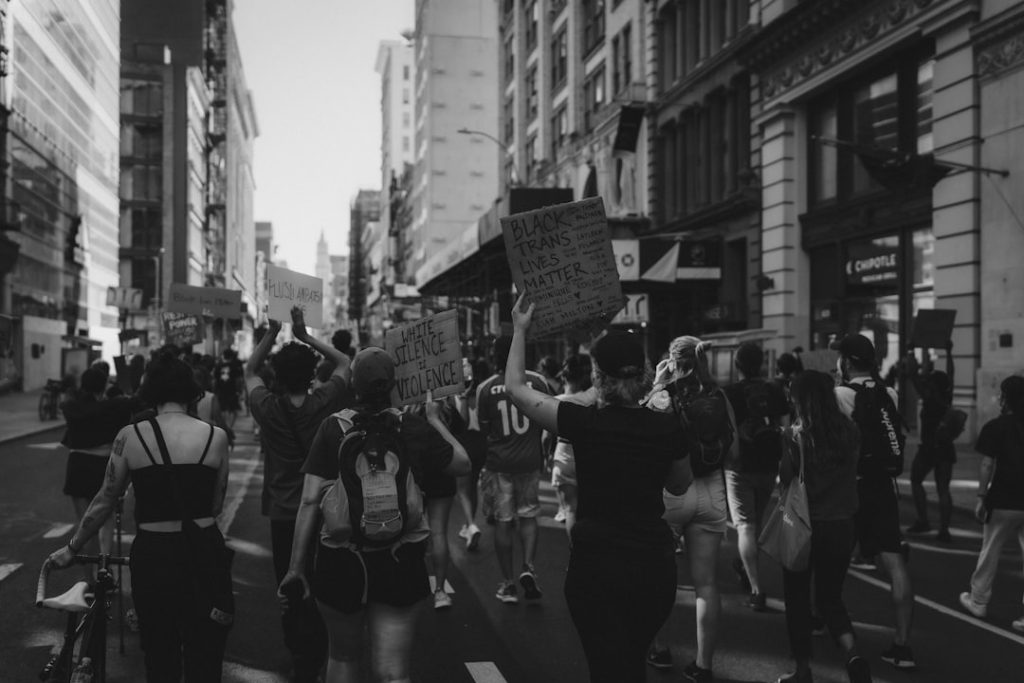
Photo by Lerone Pieters on Unsplash
Stay Connected with Flamr
Don’t forget to follow Flamr on social media!