Unraveling Accountability: A Progressive Perspective on Potential War Crimes and the Pursuit of Justice
In today’s interconnected world, the actions of political leaders and military officials resonate far beyond borders, often prompting critical discourse about morality and justice. The recent revelations concerning Defense Secretary Pete Hegseth and the potential war crimes associated with boat strikes in Venezuela serve as a stark reminder of this reality. As reported by The Intercept, the entire chain of command could be held liable for the killing of boat strike survivors, raising significant questions about accountability, ethics, and the path forward for progressive movements globally.
Understanding the News: Key Details of the Story
The Intercept’s report unveils a troubling narrative surrounding boat strikes allegedly ordered by Defense Secretary Pete Hegseth. According to sources close to the investigation, these actions are now under scrutiny for war crimes or outright murder. The strikes targeted survivors, compounding the tragedy and sparking outrage across international communities.
This unfolding story highlights the complexities of military operations and the severe implications of decisions made by top officials. The potential for holding the entire chain of command accountable marks a significant moment in the quest for justice, suggesting that those who hold power may not be immune to repercussions when their actions violate international law and ethical standards.
Read the full article: Entire Chain of Command Could Be Held Liable for Killing Boat Strike Survivors, Sources Say (The Intercept)
Progressive Analysis: Accountability and Justice
From a progressive standpoint, the potential liability of the chain of command in these boat strikes is pivotal. It challenges the long-standing notion that those at the helm of military operations can act with impunity, devoid of accountability. This development resonates deeply with progressive values, which prioritize human rights, justice, and the rule of law.
Historical Context and Moving Forward
Historically, efforts to hold military leaders accountable for war crimes have been fraught with challenges. From the Nuremberg Trials post-World War II to more recent tribunals, the process of bringing perpetrators to justice has been slow and complex. Yet, these efforts underscore a vital principle: accountability is essential for healing and justice.
The current situation, if pursued diligently, could set a precedent, reinforcing that no one is above the law—a fundamental tenet of progressive ideology. This story echoes past movements that have fought tirelessly to ensure accountability, from anti-war protests to campaigns for international justice.
Implications for the Progressive Movement
The implications of this story extend far beyond the immediate legal ramifications. It signals a potential shift in how international law is applied to military actions, encouraging progressive movements to continue advocating for transparency and accountability in governance.
- Strengthening International Law: This case may invigorate efforts to bolster international legal frameworks that hold individuals accountable for war crimes, ensuring justice for victims.
- Encouraging Civic Engagement: As awareness grows, there is an opportunity for progressive movements to rally public support, urging policymakers to prioritize human rights and ethical governance.
- Advocating for Victims: This story highlights the need to amplify the voices of survivors, ensuring their stories are heard and justice is served.
Different Perspectives: Weighing the Complexities
While the call for accountability is clear, it’s crucial to acknowledge the complexities surrounding military operations and decision-making processes. Some may argue that the context of the strikes—potential threats and security concerns—must be considered. However, progressive discourse emphasizes that such factors do not absolve leaders from the ethical and legal responsibilities attached to their actions.
Moreover, this situation opens dialogue around the role of international bodies in ensuring accountability and the challenges they face in enforcing laws across sovereign nations. Balancing national interests, security, and human rights remains a delicate yet essential task.
Reflection and Call to Action
As we reflect on this unfolding story, it becomes evident that accountability is not just a legal obligation but a moral imperative. Progressive movements have long championed the cause of justice, urging societies to uphold ethical standards and protect human rights. This case serves as a catalyst for renewed efforts, reminding us that the struggle for justice is ongoing and requires unwavering commitment.
The call to action is clear: amplify voices demanding accountability, support initiatives that strengthen international law, and remain vigilant in advocating for transparency in governance. By doing so, we not only honor the victims but also pave the way for a more just and equitable world.
In conclusion, the potential liability of the chain of command in the Venezuelan boat strikes is more than a legal matter; it is a profound opportunity for progressives to champion the values of justice and accountability. As we move forward, let this be a moment of reflection and action, ensuring that the pursuit of justice remains at the forefront of our collective consciousness.
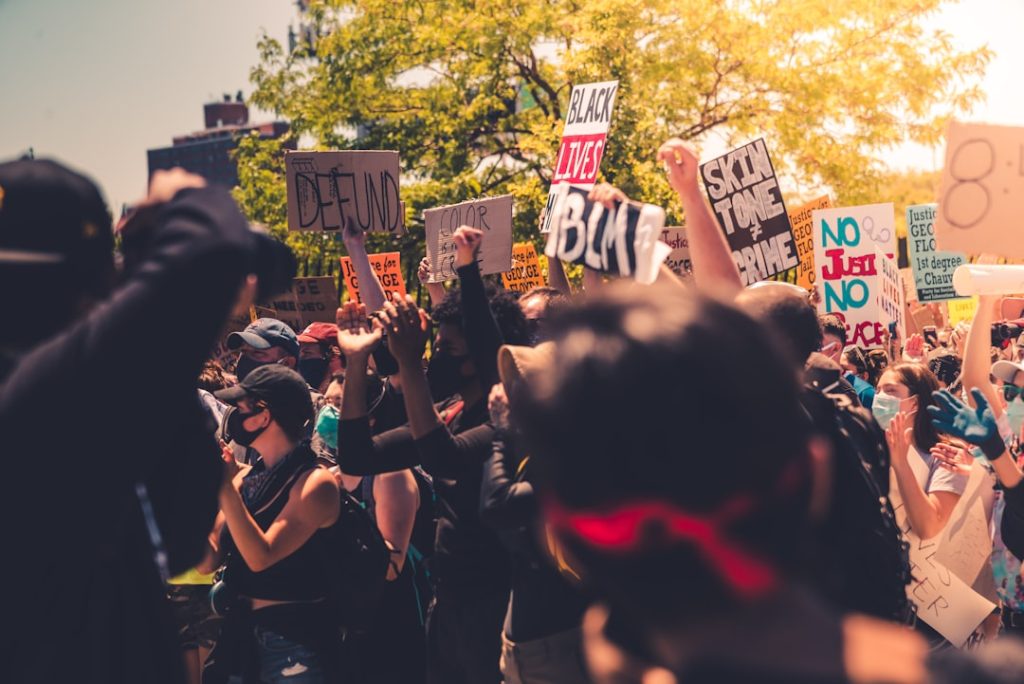
Photo by Max Bender on Unsplash
Stay Connected with Flamr
Don’t forget to follow Flamr on social media!