Trump Bullies Flip-Flopping Senators: A Defeat for the Anti-War Movement
In a whirlwind of political maneuvering, five Republican senators who initially supported a resolution to limit presidential war powers in Venezuela have reversed their stance. This decision, heavily influenced by former President Donald Trump’s aggressive lobbying, marks a setback for progressive anti-war advocates and raises significant questions about the future of U.S. foreign policy. As tensions escalate, this story is not just about political posturing but touches upon the heart of democracy, accountability, and the power dynamics within the U.S. government.
Understanding the News Story
The Intercept reported that a war powers resolution aimed at restricting military action in Venezuela was poised to pass, supported by a bipartisan coalition. However, the final vote narrowly failed following Trump’s vehement intervention. This dramatic reversal highlights how a single political figure can sway legislative decisions, underscoring the fragility of bipartisan efforts in today’s polarized climate.
Trump’s influence is evident as he reportedly pressured senators to align with his aggressive stance on Venezuela, reflecting a broader pattern of unilateral decision-making that characterized his presidency. This development is alarming for those who advocate for legislative checks on executive military actions, a cornerstone of democratic governance.
Read the full article: Trump Bullies Flip-Flopping Senators Into Defeating Vote to Block Venezuela War (The Intercept)
Progressive Analysis: A Clash of Values
The Fight for Accountability
At the heart of this issue lies a fundamental question: Who controls the war-making powers in the United States? For progressives, the struggle for accountability in military engagements is crucial. The defeat of the war powers resolution represents not only a legislative loss but also a missed opportunity to reinforce democratic oversight over presidential actions.
Historically, the War Powers Resolution of 1973 was designed to prevent unchecked executive military actions. Yet, its effectiveness has been continually undermined by administrations seeking to expand their authority. This latest defeat echoes past challenges in holding the executive branch accountable, reminding progressives of the ongoing battle to preserve democratic checks and balances.
Implications for U.S. Foreign Policy
Trump’s aggressive stance on Venezuela is a continuation of interventionist policies that have characterized American foreign relations for decades. This approach often disregards diplomatic solutions, opting instead for military might. For progressives, this is a call to advocate for a foreign policy rooted in peace, cooperation, and respect for national sovereignty.
The implications of military intervention in Venezuela are profound, affecting not only regional stability but also global perceptions of U.S. imperialism. Progressives argue that true security comes from building alliances and engaging in diplomacy, rather than resorting to force.
Connecting to Broader Progressive Movements
The Anti-War Movement
This setback is a poignant reminder of the vitality of the anti-war movement, which has long been a pillar of progressive activism. From protests against the Vietnam War to opposition to the Iraq invasion, progressives have consistently challenged the rationale behind military interventions, advocating for peace and diplomacy.
The failure to pass the resolution on Venezuela underscores the need for renewed energy within the anti-war movement, urging activists to mobilize, educate, and influence public opinion. It calls for a reinvigoration of grassroots efforts to demand accountability and transparency in military decisions.
Historical Context
The struggle against unchecked executive power is not new. It echoes the sentiments of historical figures like Senator William Fulbright, who criticized U.S. foreign policy during the Vietnam War. Progressives today continue this legacy, advocating for a foreign policy that prioritizes human rights, environmental sustainability, and international cooperation.
Different Perspectives and Angles
The Political Dynamics
This story also reveals the complexity of political dynamics in Washington. While some senators initially supported the resolution, the pressure from Trump illustrates the challenges in maintaining bipartisan support for progressive initiatives. This flip-flopping highlights the influence of party loyalty over individual convictions and the intricate balance lawmakers must navigate.
The Role of Public Opinion
Public opinion plays a crucial role in shaping legislative outcomes. The anti-war movement’s ability to sway public perception can be a powerful tool in influencing policy decisions. Progressives must leverage social media, public demonstrations, and educational campaigns to make their voices heard, emphasizing the human and economic costs of war.
Reflection and Call to Action
As progressives grapple with this setback, it is essential to reflect on the broader implications for democracy and international relations. The defeat of the war powers resolution is a reminder of the ongoing struggle for peace and accountability, urging activists to continue advocating for change.
Now is the time to reinvigorate the anti-war movement, harnessing the power of grassroots activism to demand a shift in U.S. foreign policy. Progressives must unite to promote a vision of peace, cooperation, and respect for national sovereignty, challenging the status quo of military intervention.
Let this moment serve as a catalyst for action, inspiring individuals to engage with their communities, contact their representatives, and advocate for a future where diplomacy triumphs over war. Together, we can build a world that values peace, justice, and human rights above all.
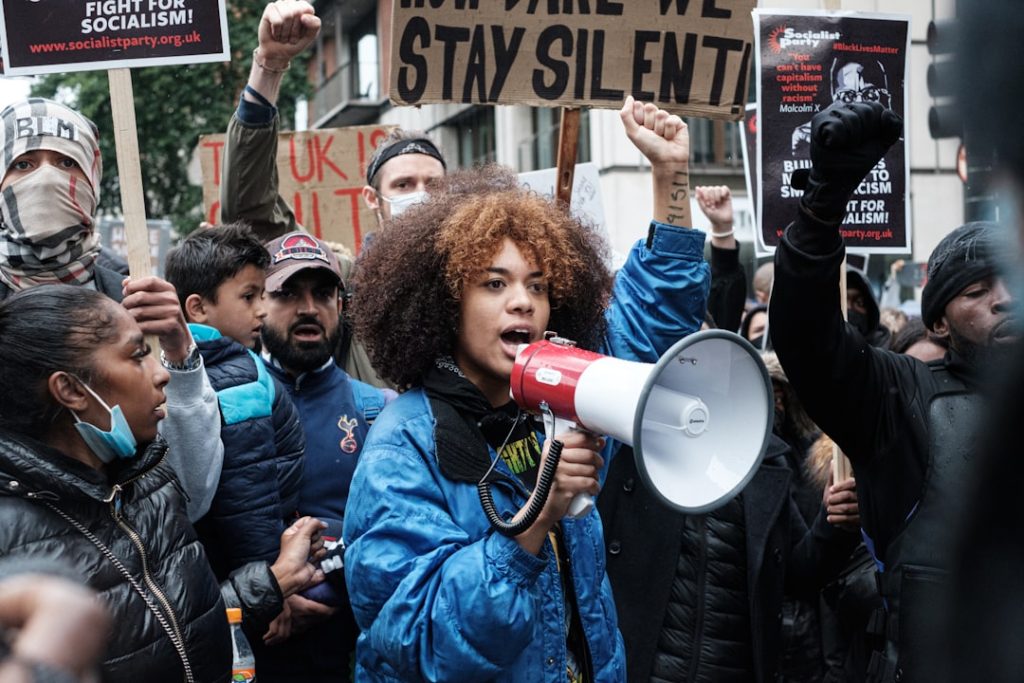
Photo by Ehimetalor Akhere Unuabona on Unsplash
Stay Connected with Flamr
Don’t forget to follow Flamr on social media!