
The Roberts Court and the Texas Gerrymandering Decision: A Turning Point for Democracy
In an era where democratic ideals are constantly being tested, the recent decision by the Supreme Court to reinstate a heavily gerrymandered congressional map in Texas is a stark reminder of the challenges we face. This decision, made by the Roberts Court, has significant implications for the electoral landscape in Texas and beyond. It serves as a critical moment for progressive movements to galvanize and advocate for fair representation in our democratic processes.
The Story Behind the Decision
On Thursday, the Supreme Court’s conservative majority reinstated a congressional map in Texas that had previously been blocked by a lower court. This map, inspired by former President Donald Trump’s administration, is widely criticized for its gerrymandering tactics, which are designed to entrench Republican political power by weakening protections for minority voters.
The map was initially challenged and blocked due to its blatant attempt to dilute the voting power of minority communities, who predominantly support progressive causes. However, the Supreme Court’s decision to override the lower court’s ruling highlights a significant setback for electoral fairness. The conservative justices, in their approval, have essentially endorsed a map that many argue undermines the very essence of representative democracy.
Read the full article: The Roberts Court Just Helped Trump Rig the Midterms (Mother Jones)
Progressive Analysis: Why This Matters
At its core, this Supreme Court decision is about more than just electoral maps; it is about the battle for fair representation and the protection of minority rights in America. The implications of this ruling are profound, with potential ripple effects on the upcoming midterm elections and beyond.
Gerrymandering is a tactic that undermines the democratic process by allowing political parties to manipulate district boundaries to favor one party over another. This not only skews election results but also disenfranchises voters, particularly those from marginalized communities. The Texas map is a textbook example of this, where lines are drawn in such a way to ensure Republican dominance, despite demographic trends that suggest a more diverse and competitive political landscape.
The Broader Context: Historical and Contemporary Struggles
The fight against gerrymandering is not new. Historically, progressive movements have long battled against efforts to subvert the democratic process, from the civil rights movement of the 1960s to the more recent push for electoral reforms. The Supreme Court’s decision represents a continuation of these struggles, where the fight for an equitable and just society faces institutional barriers.
Past victories, such as the Voting Rights Act of 1965, were significant in curbing discriminatory practices in voting. However, recent decisions like this one reflect a concerning trend of eroding these hard-won protections. For progressives, this highlights the urgent need to recommit to the fight for electoral integrity and minority rights.
Implications for the Progressive Movement
For the progressive movement, this decision serves as both a challenge and an impetus for action. It underscores the importance of advocating for reforms that promote fairness and transparency in the electoral process. Key areas of focus should include:
- Supporting legislation that establishes independent redistricting commissions to prevent partisan gerrymandering.
- Advocating for stronger voter protection laws to safeguard minority voting rights.
- Engaging in grassroots organizing to raise awareness and mobilize communities affected by these decisions.
Additionally, this ruling highlights the importance of judicial appointments and the long-term impact they have on democracy. For progressives, ensuring that future courts reflect a commitment to justice and equality is paramount.
Different Perspectives on the Issue
While the progressive perspective emphasizes the dangers of gerrymandering, it’s important to acknowledge other viewpoints. Proponents of the Court’s decision argue that it respects states’ rights and the authority of state legislatures. They contend that redistricting is inherently political and that judicial intervention should be minimal.
However, this perspective often overlooks the fundamental issue of fair representation, particularly for minority communities. The challenge for progressives is to articulate why these protections are essential for a healthy democracy and to build coalitions that transcend partisan divides.
Reflection and Call to Action
The reinstatement of the gerrymandered map in Texas is a wake-up call for all who value democracy and equality. It serves as a reminder of the ongoing struggle for fair representation and the need for vigilance in protecting the rights of all voters.
As progressives, the path forward involves a combination of advocacy, education, and mobilization. It requires building broad coalitions that can effectively challenge efforts to undermine democratic processes. Importantly, it calls for an unwavering commitment to creating a system where every vote counts and every voice is heard.
In the words of civil rights leader John Lewis, “Democracy is not a state. It is an act, and each generation must do its part.” Now more than ever, it’s time to act.
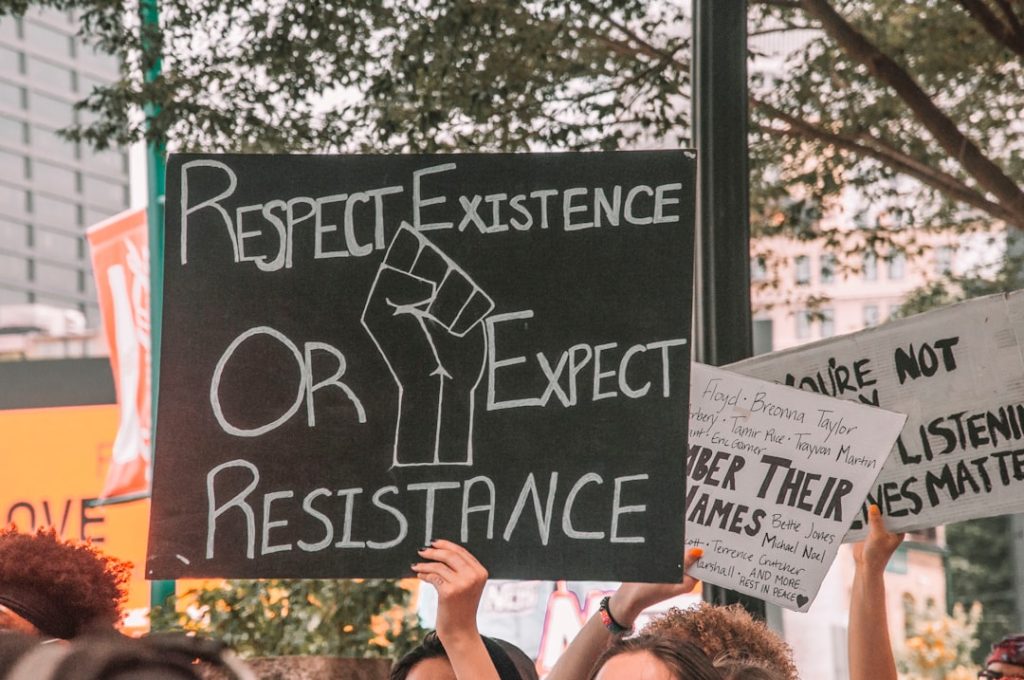
Photo by Maria Oswalt on Unsplash
Stay Connected with Flamr
Don’t forget to follow Flamr on social media!