Embracing Climate Justice in the Modern Dating World
As we navigate the complexities of modern life, the intersection of climate justice and personal relationships is becoming more pronounced. The climate crisis is not just an environmental issue—it’s a social justice issue, impacting marginalized communities disproportionately. As progressive individuals and communities, recognizing the role we play in this narrative can transform not only the world at large but also the intimate circles we inhabit. Let’s explore how climate justice can be integrated into our personal lives and relationships, and the broader implications this has for society.
The Historical Context of Climate Justice
Understanding climate justice requires a look into the historical roots of environmental inequality. Traditionally, industrial growth prioritized economic gains over environmental health, disproportionately affecting low-income and marginalized communities. These communities often face higher exposure to pollutants and natural disasters, with fewer resources to recover. The concept of climate justice emerged from this inequity, advocating for fair treatment and involvement of all people in environmental policy and action.
Over the decades, movements led by indigenous groups, people of color, and grassroots organizations have highlighted these disparities, pushing for policies that address both ecological and social dimensions. This historical context is essential for understanding why climate justice is a crucial component of any progressive agenda today.
The Current State of Climate Justice
In 2025, the world is at a pivotal moment concerning climate action. The Paris Agreement’s goals have been a guiding framework, yet many countries struggle to meet their commitments. Progress has been made in areas such as renewable energy adoption and increased corporate accountability, but significant challenges remain. Climate justice is now more visible in public discourse, with a growing recognition that climate change impacts are unevenly distributed.
For individuals, this means acknowledging how our lifestyles contribute to these global issues. In the realm of dating and personal relationships, this consciousness can manifest in various ways:
- Choosing sustainable lifestyle habits and encouraging partners to do the same.
- Supporting businesses and products that prioritize environmental responsibility.
- Engaging in conversations about climate justice as part of shared values and goals.
Integrating Climate Justice into Relationships
Relationships thrive when built on shared values and mutual respect. Incorporating climate justice into your dating life not only strengthens these bonds but also amplifies collective action towards a more equitable world. Here are a few ways to integrate these principles:
- Education and Awareness: Educate yourself and your partner about climate issues. This might include sharing resources or attending events focused on sustainability and climate activism.
- Mindful Consumption: Make conscious choices together about what you buy and consume, focusing on sustainability and ethical sourcing.
- Community Engagement: Participate in local initiatives that support environmental justice, whether through volunteering or advocacy.
Such actions, while seemingly small, can have a ripple effect, inspiring others in your community to adopt similar practices.
Future Possibilities and Hope
The future of climate justice is intertwined with our collective ability to adapt and innovate. Technological advancements, policy changes, and cultural shifts are paving the way for a more sustainable world. However, these changes require active participation and commitment from everyone, particularly those in positions of privilege and power.
Looking ahead, there is hope in the resilience and creativity of younger generations who are leading the charge with innovative solutions and fresh perspectives. The integration of technology with environmental stewardship, such as AI-driven sustainability models and circular economies, offers promising avenues for substantial change.
By fostering relationships that emphasize climate justice, we contribute to a culture that values equity and sustainability. This culture shift is essential for meaningful progress and can be a profound aspect of personal growth and fulfillment.
A Call to Reflection and Action
As we reflect on the role of climate justice in our lives and relationships, it’s vital to consider the following questions: How can I incorporate climate justice into my personal values and actions? What steps can I take to ensure that my relationships reflect a commitment to environmental equity?
We invite you to take this reflection beyond the personal and into the communal. Engage in conversations, challenge norms, and advocate for policies that uphold the principles of climate justice. Remember, every action, no matter how small, contributes to a larger movement towards a more just and sustainable world.
Let us commit to weaving climate justice into the fabric of our relationships and communities, ensuring that we leave a healthier, more equitable planet for future generations to enjoy. Together, we can create a legacy of love, respect, and sustainability.
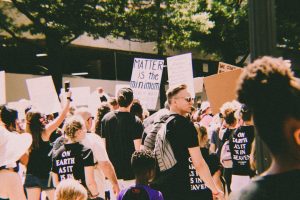
Photo by Marija Zaric on Unsplash
Stay Connected with Flamr
Don’t forget to follow Flamr on social media!