Embracing Economic Equality: A Path Forward for Inclusivity and Justice
The journey towards economic equality in the United States has been a long and winding road, marked by significant milestones and persistent challenges. As we reflect on this vital issue in 2025, we are reminded of the importance of continuing the fight for a fairer and more just society. Economic equality is not just a policy goal but a foundational principle that affects every aspect of our lives, from access to education and healthcare to the ability to participate fully in our democracy. This blog post explores the historical context of economic inequality, examines the current state of affairs, and envisions a hopeful future where true economic justice can be achieved.
Historical Context: Roots of Economic Disparity
The roots of economic inequality in America are deep and complex, intertwined with the country’s history of colonization, slavery, and industrialization. The Gilded Age of the late 19th century saw unprecedented wealth accumulation among a small elite, while the majority of Americans struggled to make ends meet. The Great Depression of the 1930s exposed the vulnerabilities of a system built on inequality, leading to the New Deal reforms that sought to provide a safety net for the most vulnerable.
Despite these efforts, the latter half of the 20th century saw a resurgence of inequality, driven by policies favoring deregulation, tax cuts for the wealthy, and the erosion of labor rights. The 2008 financial crisis further exacerbated these disparities, highlighting the need for systemic change. Understanding this historical context is crucial as we work towards addressing the economic challenges of today.
Current State: Challenges and Opportunities
In 2025, the landscape of economic equality presents both challenges and opportunities. The COVID-19 pandemic, which began in 2019, laid bare the stark economic divides within our society. Essential workers, often from marginalized communities, faced increased risks while lacking adequate protections, highlighting the need for comprehensive labor rights reforms.
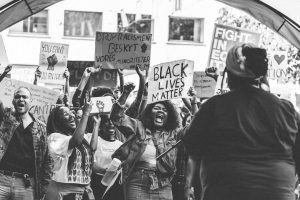
However, the past few years have also seen a growing awareness and mobilization around economic justice. Grassroots movements advocating for a living wage, affordable healthcare, and student debt relief have gained momentum, pushing these issues to the forefront of national discourse. Policymakers are increasingly recognizing the need for systemic change to address the root causes of inequality, rather than merely treating its symptoms.
Envisioning a Hopeful Future
As we look to the future, the possibilities for achieving economic equality are both inspiring and attainable. Key areas of focus include:
- Living Wages: Ensuring all workers earn a living wage is fundamental to economic justice. This means advocating for policies that raise the minimum wage and promote fair labor practices.
- Universal Healthcare: Access to healthcare is a basic human right. Expanding Medicare and Medicaid, along with implementing policies for universal healthcare coverage, can reduce the financial burden on families and improve overall well-being.
- Debt Relief and Education: Addressing student loan debt and making higher education more accessible can empower individuals to pursue their dreams without the shackles of financial insecurity.
- Progressive Taxation: Implementing a fair tax system that ensures the wealthiest individuals and corporations pay their fair share is crucial for redistributing resources and funding social programs.
These initiatives, while ambitious, are essential steps towards creating a society where economic opportunity is available to all, regardless of background or circumstance.
A Call to Reflection and Action
As we reflect on the state of economic equality, it is essential to consider what role each of us can play in this ongoing struggle. Whether through grassroots activism, supporting policies that promote economic justice, or simply educating ourselves and others, we all have a part to play in building a more equitable society.
Let us commit to a future where economic equality is not just an aspiration but a reality. This journey requires collective effort, empathy, and a steadfast belief in the possibility of change. Together, we can create a world where everyone has the opportunity to thrive, free from the constraints of economic disparity.
In the words of Dr. Martin Luther King Jr., “Injustice anywhere is a threat to justice everywhere.” Let us hold these words close as we work towards a better future for all.
Photo by Marija Zaric on Unsplash
Stay Connected with Flamr
Don’t forget to follow Flamr on social media!