Reflections on Economic Equality: Bridging the Gap in 2025
As we navigate the complexities of 2025, the conversation around economic equality remains at the forefront of progressive discourse. Economic equality, a cornerstone of social justice, speaks to the heart of how we value and treat each other within society. It’s a theme that resonates deeply with the ethos of progressive dating apps, where fostering genuine connections transcends socioeconomic barriers. Today, we delve into the historical context, current state, future possibilities, and challenges of economic equality, inviting reflection and action towards a more equitable world.
Historical Context: The Path to Economic Equality
The struggle for economic equality has a long and storied history. From the labor movements of the late 19th and early 20th centuries to the civil rights era of the 1960s, each era brought its own challenges and victories. The 20th century saw significant advancements, including the establishment of minimum wage laws, social security, and labor rights. However, new economic challenges emerged with globalization and technological advancement, leading to a widening gap between the wealthy and the working class.
In the early 21st century, the conversation shifted towards addressing systemic inequalities exacerbated by the 2008 financial crisis. The Occupy Wall Street movement highlighted the stark disparities, sparking global discussions about wealth distribution and economic justice. Today, as we navigate the post-pandemic economic landscape, these discussions are more relevant than ever.
Current State: Challenges and Opportunities
In 2025, the quest for economic equality continues to face significant challenges. Income disparity remains a pressing issue, with wealth concentrated in the hands of a few, while many continue to struggle for basic needs. The gig economy, while offering flexibility, often lacks security and benefits, leaving workers vulnerable.
However, there are promising developments. Progressive policies advocating for living wages, universal healthcare, and affordable housing are gaining traction. The rise of social enterprises and cooperatives offers innovative models for wealth distribution and community empowerment. Moreover, technology provides tools for financial literacy and access, empowering individuals to take control of their economic futures.
Future Possibilities: Imagining an Equitable Economy
Looking ahead, the possibilities for economic equality are both hopeful and transformative. Imagine a world where:
- Universal Basic Income provides a safety net for all, ensuring that no one falls below a certain standard of living.
- Inclusive financial systems prioritize accessibility and transparency, allowing everyone to participate in the economy.
- Education systems equip individuals with the skills needed to thrive in a rapidly changing job market.
- Businesses operate on principles of sustainability and equity, valuing employees as stakeholders rather than resources.
These visions, while ambitious, are achievable with collective effort and commitment. By prioritizing policies that dismantle systemic barriers and foster inclusivity, we can create a future where economic equality is not just an ideal, but a reality.
Hopeful Yet Realistic: Navigating Challenges
The journey to economic equality is fraught with challenges, and it requires us to be both hopeful and realistic. Structural inequalities are deeply entrenched, demanding persistent and multifaceted approaches. Political resistance, economic instability, and societal inertia can hinder progress, but they also offer opportunities for innovation and resilience.
To move forward, we must embrace collaboration across sectors and communities. It’s crucial to engage in dialogues that include diverse voices, particularly those most affected by economic disparities. By fostering empathy, understanding, and action, we can overcome challenges and push towards a more equitable future.
Call to Reflection and Action
As we reflect on economic equality in 2025, let us consider our roles in shaping a fairer world. Whether through advocacy, voting, or daily choices, each action contributes to the collective movement towards justice. Engage with your community, support initiatives that promote equity, and challenge systems that perpetuate inequality.
In the realm of dating apps and beyond, let’s champion spaces that celebrate diversity and inclusivity, breaking down barriers to genuine connections. Together, we can build a society where economic equality is not just a distant dream but a lived reality for all.
We invite you to join us in this journey. Reflect on your values, envision the future you wish to see, and take the steps necessary to bring it to life. As we move forward, remember: change begins with us.
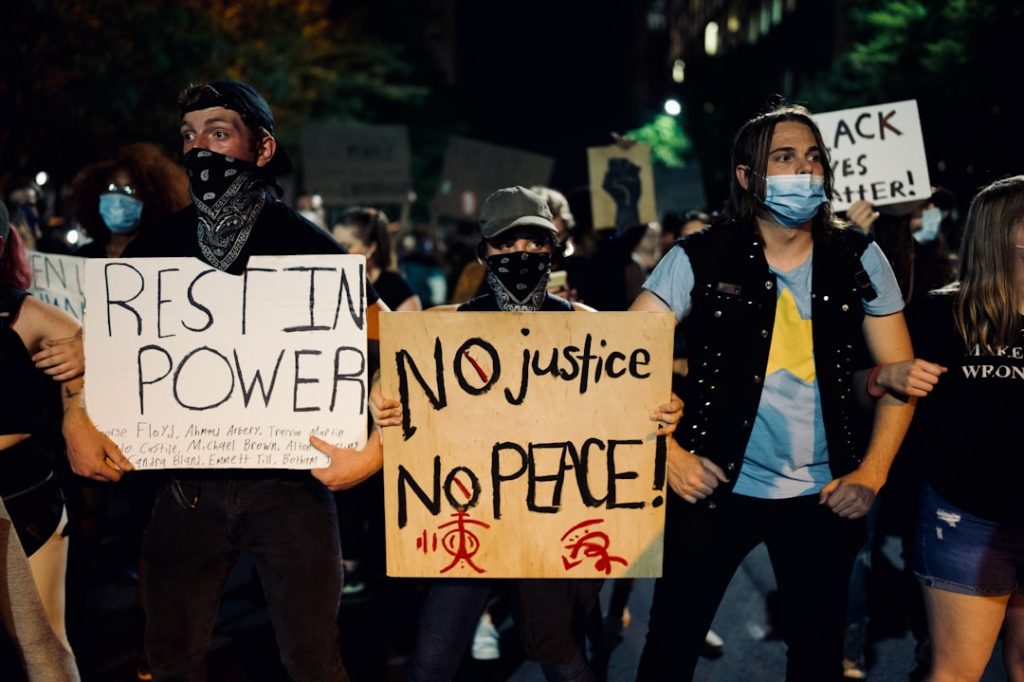
Photo by Keith Helfrich on Unsplash
Stay Connected with Flamr
Don’t forget to follow Flamr on social media!