Love in the Time of Social Justice: How Values Shape Modern Dating
In 2025, dating isn’t just about swiping right or finding “the one.” It’s also about navigating a complex social landscape where values of social justice play a significant role in shaping relationships. More than ever, individuals are seeking partners who align with their beliefs and who actively engage with important issues like equality, intersectionality, and allyship. As we delve into the evolving dynamics of dating, we must consider how these values impact our romantic lives and what it means to date mindfully in a socially conscious era.
Social Justice and Dating: A Match Made in Modern Times
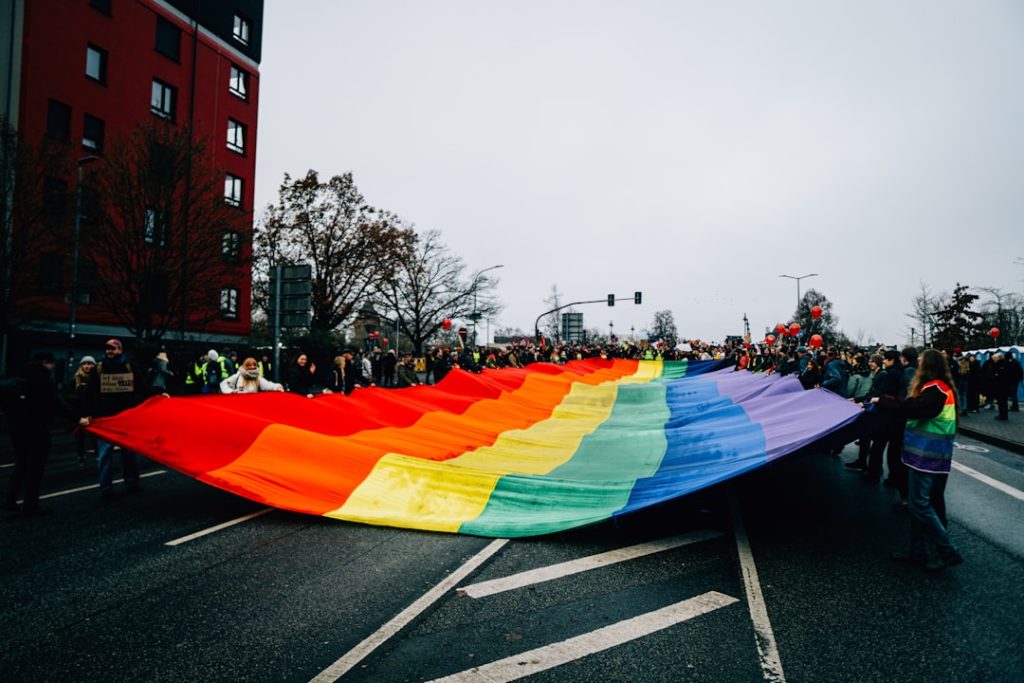
Social justice principles have transcended activism and deeply permeated various aspects of our lives, including dating. At its core, dating in the context of social justice involves a commitment to equity, fairness, and respect for all individuals regardless of race, gender, sexual orientation, or ability. This shift towards value-driven connections encourages individuals to reflect on their own beliefs and how they align with those of potential partners.
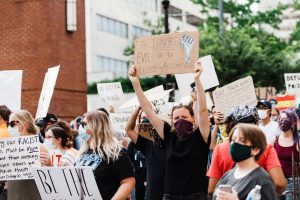
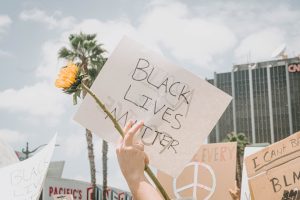
For instance, many people now include their pronouns in dating profiles to signal inclusivity and respect for gender diversity. This not only fosters a safer environment for transgender and non-binary individuals but also encourages conversations about gender and identity. Similarly, profiles that mention support for movements like Black Lives Matter or climate justice reflect a commitment to broader social causes, attracting like-minded partners.
Intersectionality: Understanding the Layers of Identity
Intersectionality, a term coined by Kimberlé Crenshaw, refers to the interconnected nature of social categorizations such as race, class, and gender, which create overlapping systems of discrimination and disadvantage. In dating, recognizing intersectionality means acknowledging that each person brings a unique set of experiences based on their identity.
For example, a queer person of color may face different challenges and discrimination compared to a white queer person. Therefore, understanding intersectionality is crucial for cultivating empathy and building relationships that honor the diverse experiences of partners. Acknowledging these complexities allows for more nuanced conversations about identity and fosters deeper connections.
Allyship: Supporting Your Partner and Beyond
Allyship plays a vital role in dating, as partners often look to each other for support and understanding. Being an ally means actively supporting marginalized communities and standing against injustices, even when it doesn’t directly affect you. In dating, this translates to being supportive of your partner’s struggles and advocating for their rights.
- Listen actively: Pay attention to your partner’s experiences and validate their feelings.
- Educate yourself: Take the initiative to learn about issues affecting your partner’s community.
- Use your privilege: Amplify marginalized voices and take action to support social change.
Consider a relationship where one partner is neurodivergent. The neurotypical partner can practice allyship by learning about neurodiversity, advocating for accommodations, and challenging stigmatizing narratives. This support not only strengthens the relationship but also contributes to a more inclusive society.
Privilege and Accountability: Navigating Power Dynamics
Understanding privilege and holding oneself accountable are essential components of socially conscious dating. Privilege refers to unearned advantages that certain groups have over others based on aspects like race, gender, or socioeconomic status. Acknowledging privilege is the first step towards leveling the playing field in relationships.
Accountability involves recognizing when one’s actions or words may perpetuate inequality and taking steps to address and rectify those behaviors. This could mean acknowledging microaggressions and apologizing, or actively working to unlearn biased attitudes. By being accountable, individuals can create healthier, more equitable relationships.
In practice, this might involve a partner with financial privilege being mindful of their power in financial decisions and ensuring that both partners have equal say and participation. It fosters a balanced environment where both parties feel valued and respected.
The Complexities of Dating in a Social Justice Era
While integrating social justice into dating can lead to more meaningful relationships, it also presents challenges. Balancing personal desires with the need to remain socially conscious can be complex. For instance, navigating cultural and familial expectations while maintaining one’s values can be tricky, especially in intercultural relationships.
Moreover, the fear of making mistakes or being perceived as performative can deter individuals from engaging in important conversations. It’s crucial to remember that perfection is not the goal—authenticity and a willingness to learn and grow are far more valuable. Approaching these conversations with humility and an open heart can lead to profound personal growth and stronger connections.
In conclusion, dating in 2025 is not just about compatibility in the traditional sense. It’s about finding partners who share a commitment to social justice and who are willing to engage in the ongoing work of understanding, supporting, and growing with one another. By embracing these values, we can cultivate relationships that not only enrich our personal lives but also contribute to a more equitable and just society.
Photo by Christian Lue on Unsplash
Stay Connected with Flamr
Don’t forget to follow Flamr on social media!