Dating in the Age of Social Justice: Navigating Love with Values
In recent years, the landscape of dating has evolved significantly, mirroring the broader societal shifts towards inclusivity and social justice. For many, dating is no longer just about finding a compatible partner; it’s about finding someone whose values align with their own. This evolution calls for a deeper understanding of how social justice influences the dynamics of dating, requiring a nuanced approach that embraces intersectionality, allyship, and accountability.
The Influence of Social Justice Values on Modern Dating
Social justice values are reshaping how individuals approach relationships. Today’s daters are increasingly prioritizing partners who are not only empathetic and kind but also socially conscious and actively engaged in advocating for equality and justice. This shift signifies a move towards relationships that are not just emotionally fulfilling but also ethically aligned. Here are some ways these values are manifesting in the dating world:
- People are more likely to engage in conversations about social issues early in their relationships, ensuring that they are on the same page from the outset.
- There is a growing expectation for partners to be aware of and address their own privileges, and to actively support marginalized communities.
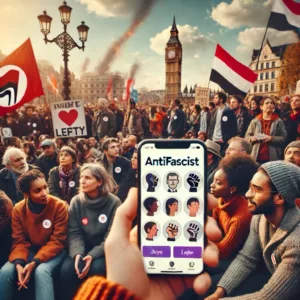
- Dating platforms are offering new features that allow users to highlight their values, such as badges for activism or filters for specific causes.
Embracing Intersectionality in Relationships
Intersectionality, a term coined by Kimberlé Crenshaw, refers to the interconnected nature of social categorizations such as race, class, and gender, which can create overlapping and interdependent systems of discrimination or disadvantage. Recognizing intersectionality in dating means understanding that every individual has a unique combination of identities that influence their experiences and perspectives.
In practice, this means:
- Being open to learning about your partner’s unique experiences and how their identities shape their worldview.
- Respecting and valuing the diversity that each person brings to the relationship, rather than expecting them to conform to your own experiences.
- Supporting your partner in navigating the complexities of their identities, whether through active listening or engaging in advocacy alongside them.
Allyship in Romantic Relationships
Allyship is a crucial component of socially just relationships. As an ally, it is important to actively support and advocate for your partner’s rights and well-being, especially if they belong to a marginalized community. This involves more than just verbal support; it requires taking action to challenge systems of oppression and inequity.
Being an ally in a relationship involves:
- Listening to and validating your partner’s experiences without centering your own feelings or defensiveness.
- Educating yourself about the challenges faced by your partner’s community and finding ways to contribute positively.
- Holding space for difficult conversations and being willing to challenge societal norms and personal biases.
Navigating Privilege and Accountability
Privilege in dating refers to the unearned advantages that individuals may have based on aspects of their identity, such as race, gender, or socioeconomic status. Recognizing privilege is essential for building equitable and respectful relationships. It requires individuals to be accountable for their actions and to strive for fairness in their interactions with their partners.
To navigate privilege responsibly, consider the following:
- Reflect on how your own privileges may influence your expectations and behaviors in a relationship.
- Be open to feedback from your partner about how your privilege may impact them, and be willing to make changes based on that feedback.
- Use your privilege to amplify your partner’s voice and to advocate for systemic change.
Acknowledging Complexity and Embracing Growth
It’s important to acknowledge that integrating social justice values into dating is complex and requires ongoing effort and self-reflection. No relationship is perfect, and there will be challenges along the way. The key is to approach these challenges with a mindset of growth and learning.
Here are some tips for navigating this journey:
- Be patient with yourself and your partner as you both learn and grow together. Mistakes are opportunities for growth, not reasons for judgment.
- Engage in continuous education about social justice issues and seek out resources to deepen your understanding.
- Foster a relationship environment where open dialogue is encouraged, and both partners feel safe expressing their thoughts and feelings.
In conclusion, dating with a social justice lens involves more than just finding love; it’s about building partnerships that are rooted in empathy, respect, and a shared commitment to making the world a better place. By embracing intersectionality, practicing allyship, acknowledging privilege, and remaining open to growth, individuals can create meaningful and equitable relationships that reflect their deepest values.
Stay Connected with Flamr
Don’t forget to follow Flamr on social media!