Social Justice and Dating: Navigating Love in a Progressive Era
In today’s interconnected world, social justice issues are increasingly influencing how we date. As we strive to build relationships that reflect our core values, it’s crucial to understand the intersection of social justice and dating. This blog post delves into the impact of social justice values on dating, exploring intersectionality, allyship, privilege, and accountability within the dating landscape. By acknowledging the complexity of these issues, we aim to provide a thoughtful and inclusive guide for modern daters.
The Influence of Social Justice Values on Modern Dating
Social justice values have reshaped many aspects of our lives, including how we engage in romantic relationships. More individuals are consciously seeking partners who share their commitment to equality and justice. This shift has led to the emergence of dating platforms that prioritize matching individuals based on shared values and beliefs.
Dating with social justice in mind involves more than just finding someone who shares your political views. It requires a dedication to understanding and respecting the diverse experiences and identities of others. This approach promotes a more inclusive and compassionate dating culture, where individuals feel seen and valued for who they are.
Intersectionality: Embracing the Complexity of Identity
Intersectionality, a term coined by Kimberlé Crenshaw, refers to the interconnected nature of social categorizations such as race, class, and gender, which can create overlapping and interdependent systems of discrimination or disadvantage. In the context of dating, understanding intersectionality means recognizing that everyone brings a unique set of experiences shaped by multiple identity factors.
For example, a Black woman navigating the dating scene may face different challenges than a white woman, due to the intersection of race and gender. Similarly, a queer person of color may experience dating differently from their white queer counterparts. By acknowledging these complexities, we can foster more empathetic and supportive relationships.
Practicing intersectionality in dating involves:
- Listening to and learning from the experiences of marginalized communities.
- Being open to dating people from diverse backgrounds.
- Reflecting on how your own identities impact your dating experiences and expectations.
Allyship in Dating: Building Supportive Partnerships
Allyship plays a crucial role in creating equitable dating experiences. Being an ally means actively supporting and advocating for marginalized communities, both in and out of your relationships. In dating, allyship can manifest in various ways, from challenging discriminatory behavior to amplifying the voices of underrepresented groups.
Allyship is not a static role but a continuous journey of learning and growth. It involves recognizing your own privileges and using them to uplift and support others. Within romantic relationships, being an ally means striving to understand your partner’s experiences and standing by them in the face of injustice.
Practical examples of allyship in dating include:
- Educating yourself and your partner about social justice issues.
- Supporting your partner’s activism and advocacy efforts.
- Engaging in open and honest conversations about privilege and inequality.
Privilege and Accountability: Navigating Power Dynamics
Understanding privilege and its impact on dating dynamics is essential for fostering equitable relationships. Privilege refers to the unearned advantages or rights granted to certain groups based on aspects of their identity, such as race, gender, or socioeconomic status. In relationships, privilege can create power imbalances that affect communication, decision-making, and emotional labor.
Being accountable for your privilege involves recognizing it, acknowledging its impact, and taking steps to address any imbalances it may cause. This might mean actively listening to your partner’s experiences, sharing decision-making responsibilities, or consciously working to understand how your privilege shapes your perspective.
Ways to practice accountability in dating include:
- Reflecting on your own biases and assumptions.
- Being receptive to feedback from your partner and making necessary changes.
- Using your privilege to advocate for marginalized communities within your relationship and beyond.
Embracing the Complexity of Social Justice and Dating
Dating in a socially conscious era requires a willingness to engage with complex issues and a commitment to personal growth. As we strive to build relationships that reflect our values, it’s important to remember that social justice is not a destination but a journey. Each relationship provides an opportunity to learn, grow, and deepen our understanding of ourselves and others.
By embracing intersectionality, practicing allyship, and holding ourselves accountable, we can create more inclusive and equitable dating experiences. These efforts not only strengthen our relationships but also contribute to a broader culture of empathy and justice.
As you navigate the modern dating landscape, remember that every interaction is an opportunity to practice social justice. Whether you’re swiping right, crafting the perfect first message, or deepening an existing relationship, your commitment to equity and inclusion can make a meaningful difference. Together, let’s build a dating culture that celebrates diversity, respects individuality, and champions justice for all.
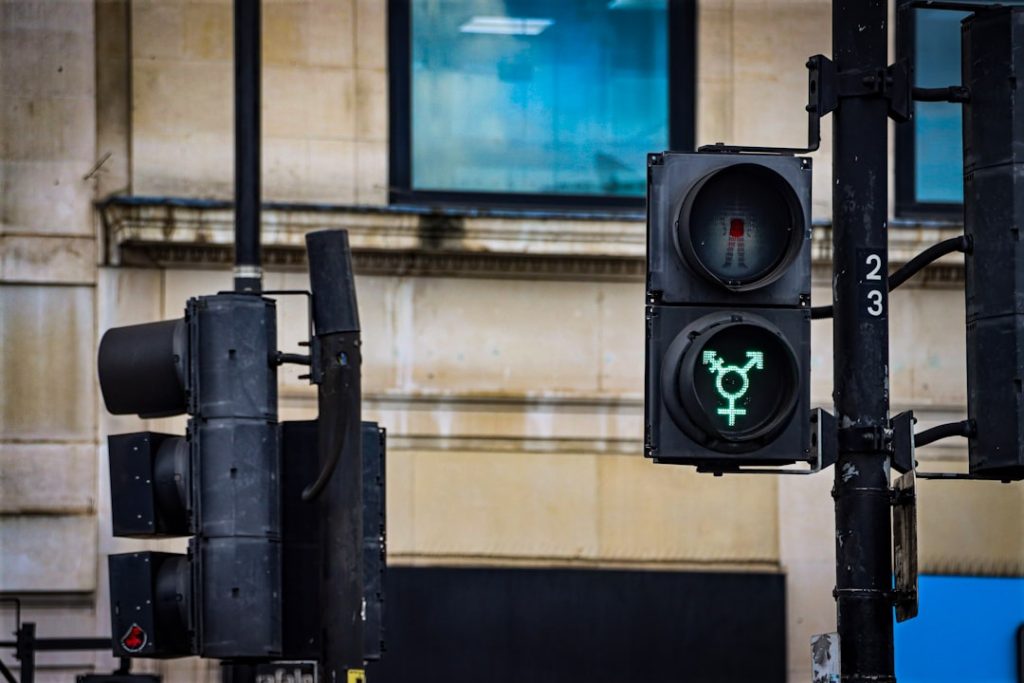
Photo by Kamsin Kaneko on Unsplash
Stay Connected with Flamr
Don’t forget to follow Flamr on social media!