Embracing Economic Equality: The Future of Love and Labor
As we stand at the beginning of 2026, it’s crucial to reflect on how far we’ve come in the pursuit of economic equality and consider the journey that lies ahead. Economic equality is not just a matter of numbers and policies; it is deeply intertwined with our personal lives, impacting everything from the choices we make in love to how we navigate our careers. For a progressive dating app community like ours, understanding and advocating for economic equality is essential to building authentic and equitable relationships.
Historical Context: The Struggle for Fairness
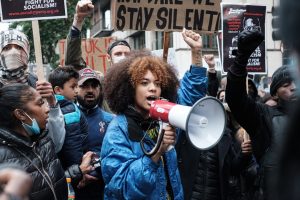
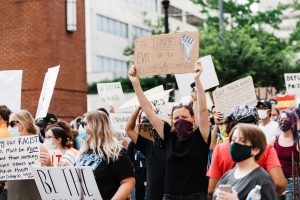
The quest for economic equality has been a cornerstone of social justice movements for centuries. In the early 20th century, labor movements championed the rights of workers, leading to fundamental changes such as the eight-hour workday and the establishment of minimum wage laws. The Civil Rights Movement of the 1960s further highlighted economic disparities, particularly along racial lines, urging society to recognize and address systemic inequities.
More recently, the Occupy Wall Street movement of the early 2010s brought the conversation around economic inequality to the forefront once again. The rallying cry of “We are the 99%” underscored the vast disparities in wealth and power that persisted despite decades of progress. These historical milestones remind us that the fight for economic equality is ongoing and requires continued vigilance and innovation.
The Current State: Challenges and Opportunities
Today, economic inequality remains a pressing issue with far-reaching implications. The COVID-19 pandemic exacerbated existing inequalities, disproportionately affecting marginalized communities and highlighting the fragility of our economic systems. Although there have been efforts to address these disparities, significant challenges remain, including:
- Wage Gaps: Despite progress, wage disparities persist along lines of gender, race, and ethnicity. Women and people of color continue to earn less than their white male counterparts, impacting their economic security and opportunities.
- Access to Opportunities: Economic mobility is often hindered by factors such as access to quality education, healthcare, and affordable housing. These barriers create cycles of poverty that are difficult to break.
- Wealth Concentration: A small percentage of individuals and corporations control a disproportionate amount of wealth, influencing political processes and perpetuating inequality.
However, there are also reasons for hope. The rise of technology and digital platforms has democratized opportunities for entrepreneurship and remote work, allowing individuals to build careers outside traditional systems. Additionally, increased awareness and activism around economic justice are driving policy changes and corporate accountability.
Future Possibilities: Charting a Path Forward
As we look to the future, it’s essential to envision a path that fosters economic equality and empowers individuals. This involves both systemic changes and personal commitments to equality. Some potential avenues for progress include:
- Inclusive Policies: Governments and organizations must implement policies that promote fair wages, equal pay, and access to essential services. This includes raising the minimum wage, ensuring paid family leave, and supporting affordable education and healthcare.
- Corporate Responsibility: Businesses have a role to play in creating equitable workplaces. This includes promoting diversity and inclusion, offering equitable compensation, and investing in community development.
- Community Empowerment: Grassroots movements and local initiatives can drive change by empowering individuals and communities to advocate for their rights and access to resources.
By embracing these possibilities, we can create a more just and equitable society where economic security is a reality for all.
Love and Labor: Building Equitable Relationships
In the realm of dating and relationships, economic equality plays a crucial role in fostering healthy partnerships. Financial stress and inequality can strain relationships, making it essential for couples to communicate openly about money and share responsibilities equitably. As a community, we can support each other by:
- Encouraging Open Dialogue: Normalize conversations about finances and economic expectations in relationships.
- Promoting Shared Responsibilities: Advocate for equitable distribution of labor, both paid and unpaid, within relationships.
- Supporting Financial Independence: Encourage individuals to pursue their economic goals and provide resources for financial literacy and empowerment.
A Call to Reflection and Action
As we continue to navigate the complexities of love and labor, let us remain committed to the pursuit of economic equality. Reflect on how economic disparities impact your own life and relationships, and consider what actions you can take to support a more equitable world. Whether it’s advocating for policy changes, supporting local initiatives, or fostering open discussions within your relationships, every effort counts.
Let’s strive to create a future where economic equality is not just an ideal, but a lived reality for all. Together, we can build a community and a world that values fairness, inclusion, and justice in every aspect of life. Join us in this journey, and let’s make a difference—one conversation, one action, and one relationship at a time.
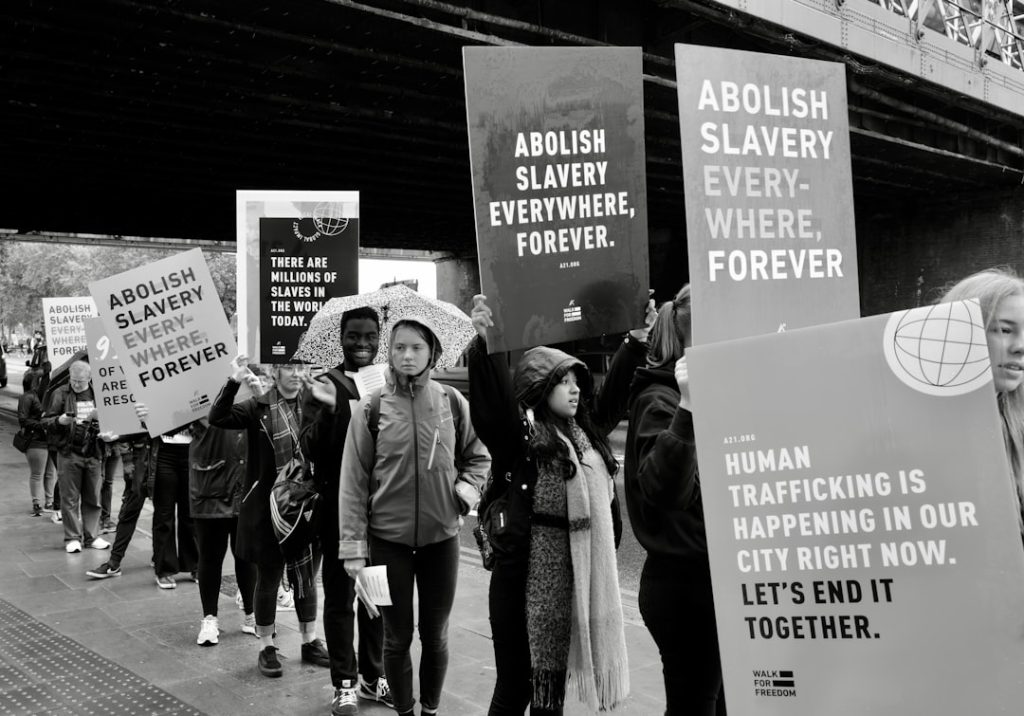
Photo by Simon Goldstein on Unsplash
Stay Connected with Flamr
Don’t forget to follow Flamr on social media!