Redefining Connections: Exploring Economic Equality Through the Lens of Modern Dating
As we navigate the complexities of modern relationships in 2025, it’s crucial to recognize the intricate ways in which economic equality influences our social and romantic lives. The intersection of progressive dating and economic justice deserves attention, as it shapes not only individual experiences but also the broader societal framework. This blog post delves into the historical context of economic inequality, examines its current state, and explores future possibilities within the realm of dating.
Understanding the Roots: A Historical Perspective
Economic inequality has long been a pervasive issue, deeply rooted in historical systems of power and privilege. From the industrial revolution to the digital age, disparities in wealth and resources have shaped societal hierarchies and limited opportunities for marginalized communities. The 20th century witnessed significant movements aimed at addressing these inequalities, such as the labor rights movement and the fight for a living wage. Despite these efforts, the economic chasm widened in the early 21st century, exacerbated by globalization, technological advancements, and policy decisions favoring the affluent.
In the context of dating, economic disparities have historically influenced partnership dynamics. Financial stability often dictated one’s ability to engage in social activities, access to education, and overall life prospects. This created a cycle where wealth and privilege became intertwined with romantic desirability, perpetuating systemic inequalities.
The Current Landscape: A Complex Web of Challenges
Today, the landscape of economic equality is multifaceted and complex. While technological advancements offer unprecedented opportunities for connection, they also highlight existing inequalities. The rise of dating apps has transformed the way we meet and engage with potential partners, yet these platforms often mirror societal disparities. Economic status can influence the visibility of profiles, access to premium features, and even the ability to participate in the digital dating scene.
Moreover, economic inequality intersects with other forms of discrimination, such as racial and gender biases. People from marginalized communities frequently face compounded challenges, as systemic barriers limit their access to education, healthcare, and employment opportunities. These factors inevitably impact their dating experiences, often leading to feelings of exclusion and invisibility.
Envisioning a More Equitable Future
Despite these challenges, there is hope for a more equitable future in the realm of dating and beyond. Emerging initiatives and movements are challenging the status quo and advocating for systemic change. Progressive dating platforms are increasingly prioritizing inclusivity by implementing features that promote economic justice, such as tiered pricing models based on income and initiatives that support financial literacy and empowerment.
Furthermore, there is a growing recognition of the need for intersectional approaches to tackling economic inequality. By addressing the root causes of disparities and amplifying the voices of marginalized communities, we can work towards creating a more just and inclusive dating landscape. Policy changes, such as advocating for universal basic income and equitable access to education, hold promise in leveling the playing field and fostering a society where love and connection transcend economic boundaries.
Challenges and Opportunities for Progress
While the path towards economic equality is fraught with challenges, it also presents unique opportunities for progress. As individuals, we can actively contribute to this change by fostering empathy, understanding, and open-mindedness in our personal and romantic interactions. By recognizing the impact of economic inequality on our own lives and those of others, we can take meaningful steps towards dismantling systemic barriers.
- Support businesses and platforms that prioritize economic justice and inclusivity.
- Engage in conversations about economic equality within your social circles and advocate for change.
- Educate yourself about the historical and current dynamics of economic inequality and its impact on marginalized communities.
- Participate in community initiatives aimed at promoting economic empowerment and access to resources.
Conclusion: A Call to Reflection and Action
As we reflect on the intersection of economic equality and modern dating, it is essential to recognize the power of collective action in shaping a more just and equitable world. By acknowledging the challenges posed by systemic inequalities and actively working towards solutions, we can create an environment where love and connection are accessible to all, regardless of economic status.
I invite you to reflect on your own experiences and consider how you can contribute to a more inclusive and equitable dating landscape. Together, we can rewrite the narrative and ensure that economic equality becomes a cornerstone of our relationships and communities. Let us embrace the opportunity to create a future where love knows no economic boundaries.
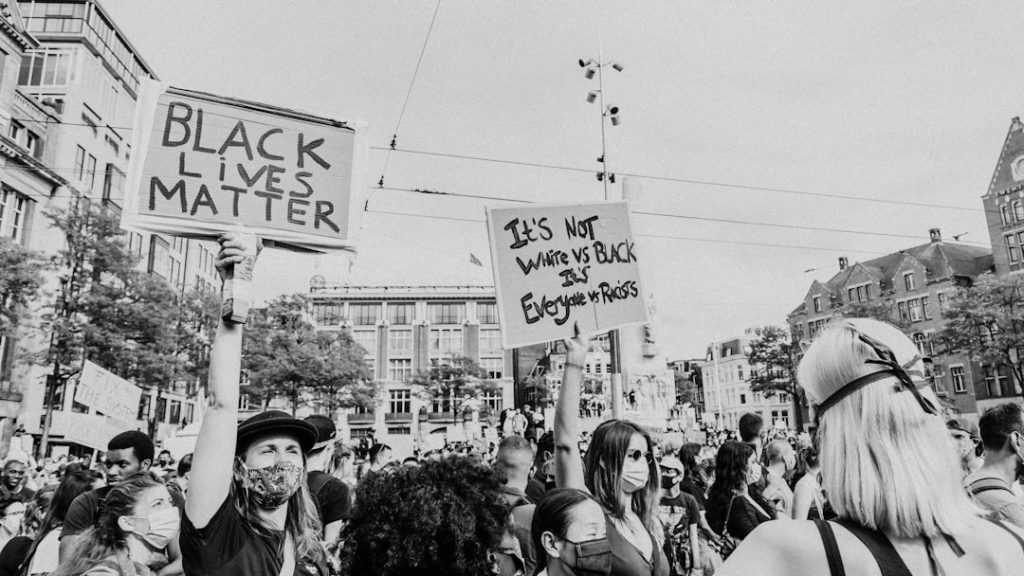
Photo by Shane Aldendorff on Unsplash
Stay Connected with Flamr
Don’t forget to follow Flamr on social media!