
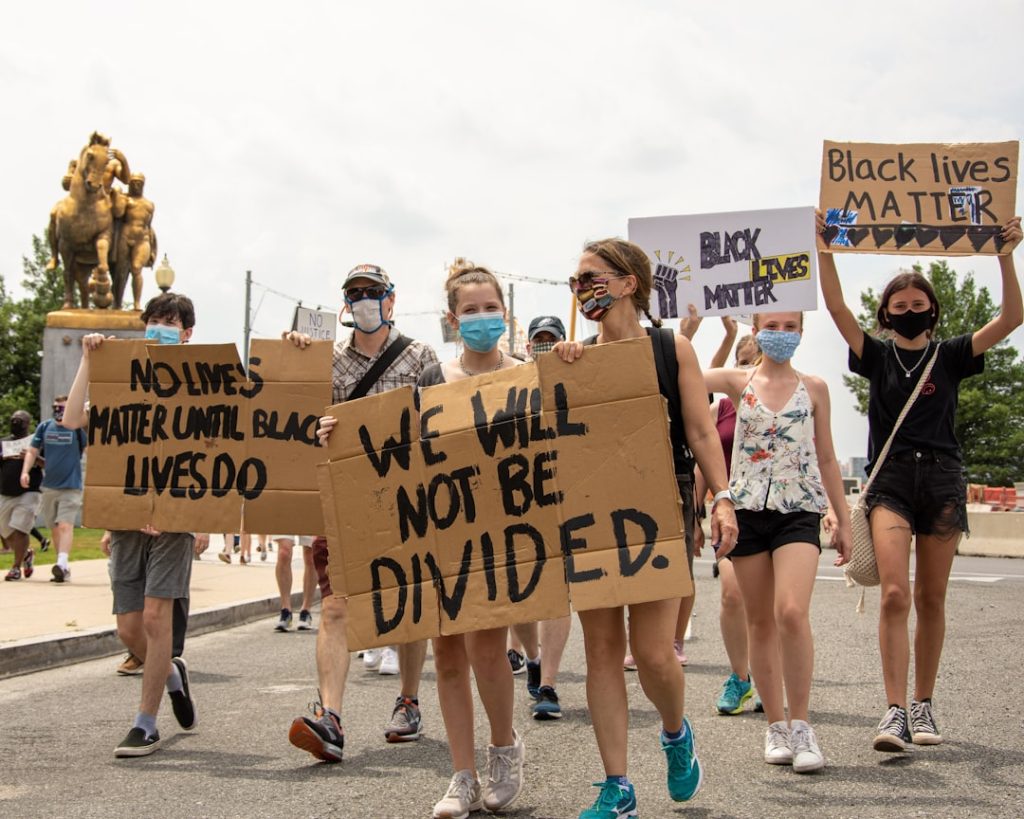
Dating in 2025: Navigating Social Justice Values
In the modern world, dating is more than just finding a romantic partner; it’s a reflection of our values, beliefs, and the society we wish to create. As social justice movements continue to shape our lives, they inevitably influence the dating landscape. From understanding intersectionality to practicing allyship, dating in 2025 is deeply intertwined with social justice principles. This blog post explores how these values impact dating, offering insights into privilege, accountability, and the complexities involved.
Intersectionality: Embracing the Full Spectrum of Identity
Intersectionality, a term coined by Kimberlé Crenshaw, acknowledges that individuals experience overlapping systems of oppression based on race, gender, sexuality, class, and other identity markers. In dating, this means recognizing and valuing the diverse experiences that partners bring to the table. Intersectional understanding can foster empathy and deeper connections, allowing couples to appreciate each other’s unique perspectives and challenges.
- Example: A white woman dating a Black man might explore the nuances of racial identity and privilege, discussing how societal perceptions influence their relationship dynamics.
- Example: A person identifying as non-binary may seek partners who respect and affirm their gender identity, ensuring that they are seen and valued in their entirety.
By embracing intersectionality, individuals can build connections that are not only romantic but also deeply respectful and understanding of each other’s multifaceted identities.
Allyship: Supporting Partners and Communities
Allyship involves actively supporting and advocating for marginalized communities, and it plays a crucial role in dating. Being an ally means listening, learning, and standing up against injustices that affect one’s partner or community. This commitment to allyship can strengthen relationships, building trust and solidarity.
- Example: A cisgender person dating a transgender individual might educate themselves about the challenges faced by the trans community, attending rallies or supporting trans rights initiatives.
- Example: In interracial relationships, partners might engage in conversations about race, privilege, and systemic inequalities, advocating for change both within and outside the relationship.
Practicing allyship in dating not only supports your partner but also contributes to broader societal change, demonstrating a commitment to equality and justice.
Privilege and Accountability: Recognizing and Owning Our Impact
Understanding privilege is crucial in any relationship, especially in the context of social justice. Privilege refers to the unearned advantages some individuals have based on their identity, such as race, gender, or socioeconomic status. In dating, recognizing privilege requires self-reflection and a willingness to address how it influences interactions and relationship dynamics.
- Example: A wealthy individual might acknowledge the financial disparities in their relationship, ensuring equitable contributions and understanding their partner’s financial realities.
- Example: A heterosexual couple might discuss how societal norms benefit their relationship compared to LGBTQ+ couples, working towards inclusivity and support.
Accountability involves taking responsibility for one’s actions and their impact on others. By being accountable, individuals can foster healthy, respectful relationships and promote a culture of openness and growth.
The Complexity of Social Justice in Dating
While integrating social justice values into dating is essential, it is also complex. Relationships are deeply personal and varied, and navigating these principles requires patience, understanding, and continuous effort. It’s vital to acknowledge that perfection is unattainable; instead, strive for progress and learning.
Conflicts may arise when values clash or when one partner’s understanding of social justice evolves faster than the other’s. Navigating these situations requires communication, compromise, and a shared commitment to growth.
- Example: Couples might set aside time to educate themselves on social justice issues, attending workshops or discussing books and articles together.
- Example: Partners can create spaces for honest dialogue, where they can safely express concerns and differences in understanding.
By embracing the complexity and committing to continuous learning, couples can cultivate relationships that are not only loving but also socially conscious and impactful.
Conclusion: Building Relationships Rooted in Social Justice
Dating in 2025 is an opportunity to build relationships that reflect our deepest values and aspirations for a just society. By understanding intersectionality, practicing allyship, acknowledging privilege, and embracing complexity, individuals can foster connections that are meaningful, respectful, and transformative.
As we continue to navigate the evolving landscape of dating, let us commit to building relationships that not only bring joy and companionship but also contribute to a world where social justice thrives. Through empathy, accountability, and openness, we can create partnerships that are truly reflective of the inclusive and equitable society we strive for.
Photo by Koshu Kunii on Unsplash
Stay Connected with Flamr
Don’t forget to follow Flamr on social media!