Exploring the Intersection of Economic Equality and Modern Dating
In the evolving landscape of dating, our societal values and challenges inevitably seep into the way we connect and form relationships. As we navigate the complexities of a future rife with technological advancements and social changes, one theme stands out for its impact on relationships: economic equality. This blog post explores the historical context, the current state, and the future possibilities of economic equality, particularly in the realm of dating.
Historical Context: The Roots of Economic Disparity
Economic inequality has been a persistent issue throughout history, shaped by various factors such as colonialism, industrialization, and globalization. The late 20th century saw a significant rise in economic disparity, driven by policies favoring deregulation and tax cuts for the wealthy. This era marked the beginning of increased cost-of-living pressures and wage stagnation that continue to affect people today. As we moved into the 21st century, the rapid advancement of technology further exacerbated these disparities, creating a digital divide that influenced access to resources and opportunities.
In the dating world, these economic inequalities manifest in various ways. Individuals with lesser economic means often face barriers in accessing social spaces and activities that are integral to modern dating. The rise of digital dating platforms has somewhat democratized access, yet the intersection of technology and economics still presents challenges for those without the latest gadgets or stable internet connections.
Current State: Navigating Economic Inequality in Dating
Today, the impact of economic inequality on dating is more pronounced than ever. The COVID-19 pandemic highlighted and exacerbated existing disparities, with many individuals facing job insecurity and financial strain. This economic stress has a direct impact on personal relationships, affecting everything from the ability to go on dates to the pressures of managing shared finances in long-term partnerships.
The modern dating landscape reflects these challenges in several ways:
- Access to Platforms and Services: While dating apps have increased accessibility, premium features often come at a cost, creating a tiered experience based on one’s ability to pay.
- Social Expectations: Cultural expectations around dating often involve spending money on meals, gifts, or experiences, which can be a burden for those with limited financial resources.
- Power Dynamics: Economic disparities can create imbalances in relationships, where one partner’s financial superiority may influence decision-making and relationship dynamics.
Despite these challenges, there is a growing movement toward more equitable practices in dating. Many apps now offer features that prioritize meaningful connections over superficial metrics, encouraging users to focus on compatibility rather than financial status.
Future Possibilities: Toward Economic Equality in Relationships
The path toward economic equality in dating is fraught with challenges, yet there is hope for a more inclusive future. Social movements advocating for economic justice are gaining traction, with increased awareness around issues like living wages, equitable taxation, and affordable housing. These changes can have profound impacts on personal relationships, allowing individuals to engage in dating without the specter of financial stress.
Looking ahead, there are several possibilities that could reshape the dating landscape:
- Progressive Policies: Government policies aimed at reducing economic inequality, such as universal basic income or expanded access to education, could provide individuals with more stability and freedom to pursue personal relationships.
- Technological Innovation: Advances in technology that reduce costs and improve accessibility to dating platforms can create a more level playing field for all users.
- Cultural Shifts: As society becomes more aware of economic disparities, cultural norms around dating could evolve to prioritize experiences and connections that do not rely heavily on financial expenditure.
A Call to Reflection and Action
As we reflect on the intersection of economic equality and dating, it’s important to consider how our personal choices and societal structures contribute to or alleviate these disparities. Whether you’re an avid user of dating platforms or simply someone interested in fostering meaningful connections, consider the ways in which economic factors shape your interactions and relationships.
We invite you to take action in small yet impactful ways:
- Advocate for and support policies that promote economic equality.
- Seek out and engage with dating platforms that prioritize inclusivity and equity.
- Reflect on your own expectations and assumptions about dating and relationships, and strive to create spaces where economic status does not dictate connection.
By acknowledging the challenges and actively working toward a more equitable future, we can foster a dating landscape where everyone has the opportunity to connect meaningfully, regardless of their economic standing.
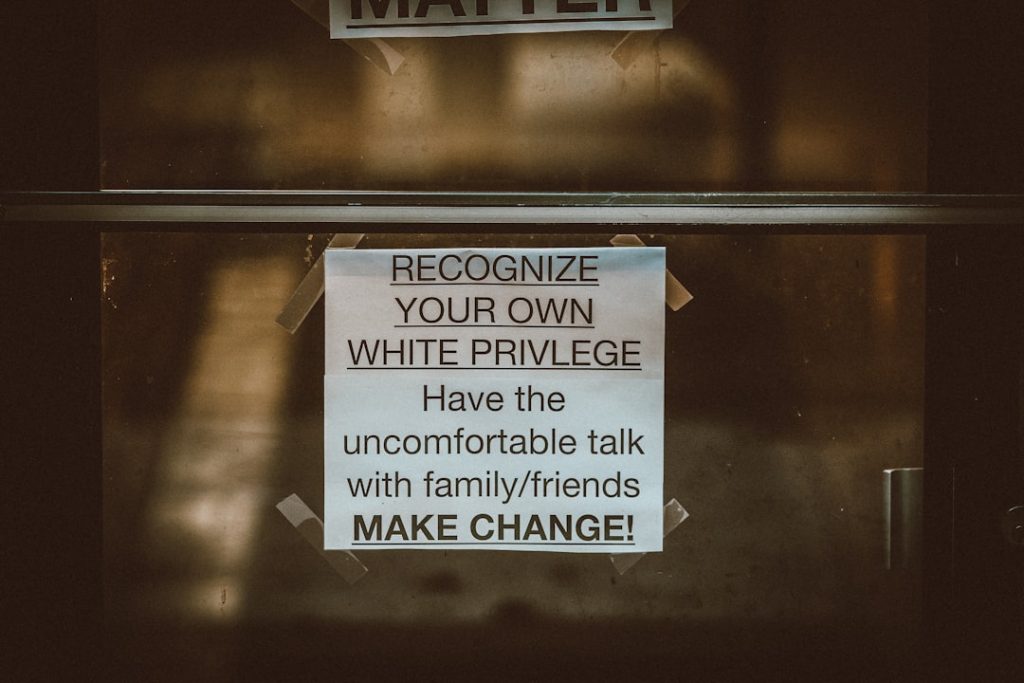
Photo by Jon Tyson on Unsplash
Stay Connected with Flamr
Don’t forget to follow Flamr on social media!