When the Water Rises: The Struggle of Small Farmers in a Changing Climate
In the heart of America, where the rolling plains meet the sky, the story of Chelsie Ver Mulm unfolds—a tale of resilience, environmental adversity, and the enduring spirit of small-scale farmers. In June of this year, the rural town of Rock Valley, Iowa, was hit by record flooding, a natural disaster that left devastation in its wake. For Chelsie, the owner of a modest 10-acre ranch, this wasn’t just another weather event; it was a life-altering experience that has come to symbolize the precarious position of many small farmers in today’s climate and political landscape.
Read the full article: For at Least One Small Iowa Rancher, This Shutdown May Prove the Final Straw (Mother Jones)
The Unraveling of a Livelihood
The flooding in Rock Valley was unprecedented, a wall of water that swept through the town with little warning. For Chelsie Ver Mulm, the disaster was a call to action. She worked tirelessly to evacuate her small herd of cows and sheep, moving them to higher ground as her land was submerged beneath the rushing waters. The impact was devastating, not just physically but also financially, as her livelihood depended on the animals and the land that supported them.
However, the challenges didn’t end with the receding waters. The federal shutdown that followed left many farmers, including Chelsie, without the vital support they needed to recover. Disaster recovery funds were frozen, and essential services like the Supplemental Nutrition Assistance Program (SNAP) faced disruptions, creating a ripple effect that extended far beyond Rock Valley.
A Progressive Lens on Farming and Federal Support
At the heart of this story lies a critical question: How do we support those who feed us in the face of climate change and political turbulence? For progressives, the plight of small farmers like Chelsie Ver Mulm underscores the need for a robust, compassionate response to climate-induced disasters and a reevaluation of our support systems.
The Role of Climate Change
Record flooding, such as that experienced in Rock Valley, is becoming more frequent and severe due to climate change. Extreme weather events pose an existential threat to small farmers who are often ill-equipped to deal with such disasters. The progressive movement has long advocated for action on climate change, recognizing that environmental sustainability is not just a moral imperative but also a necessity for economic stability.
Federal Shutdown and Its Impacts
The recent federal shutdown, which halted disaster recovery funds and jeopardized programs like SNAP, highlights the fragility of our support systems. It is a stark reminder of how political decisions can exacerbate the challenges faced by vulnerable communities. Progressives argue for a government that prioritizes people over politics, ensuring that essential services remain uninterrupted, especially in times of crisis.
Historical Context and Broader Implications
The struggle of small farmers has deep roots in American history, from the Dust Bowl of the 1930s to the farm crises of the 1980s. These events have shaped the agricultural landscape and informed progressive policies that seek to protect and empower rural communities.
- New Deal Legacy: The New Deal era introduced programs designed to support farmers through subsidies and conservation efforts, a model that modern progressives aim to build upon with climate resilience initiatives.
- Agricultural Policy Reform: Current discussions around agricultural policy focus on sustainable practices, equitable water distribution, and regenerative farming techniques that can mitigate the impact of climate change.
Voices from the Field: Diverse Perspectives
While the challenges are immense, the voices of those directly affected provide invaluable insights into potential solutions. Farmers across the nation are calling for:
- Increased Access to Disaster Aid: Streamlining access to federal aid and ensuring that it is responsive to the needs of small-scale operations.
- Investment in Resilience: Programs that invest in climate resilience, such as infrastructure improvements and soil health initiatives, to prepare for future events.
- Community-Based Solutions: Empowering local communities to develop their own disaster response plans, leveraging local knowledge and resources.
Reflection and Call to Action
The story of Chelsie Ver Mulm and her fellow farmers is a call to action for those who believe in a fair and sustainable future. It is a reminder that the challenges we face are interconnected, and that solutions require a collective effort that transcends political divides.
As we move forward, it is crucial for the progressive movement to continue advocating for policies that address the root causes of climate change while providing immediate support to those on the front lines. By fostering a spirit of empathy and cooperation, we can work towards a future where no farmer is left to face disaster alone.
Let us stand in solidarity with small farmers, pushing for a government that acts with urgency and compassion. Together, we can build a resilient agricultural system that honors the land, supports its stewards, and nurtures the communities that depend on it.
Read the full article: For at Least One Small Iowa Rancher, This Shutdown May Prove the Final Straw (Mother Jones)
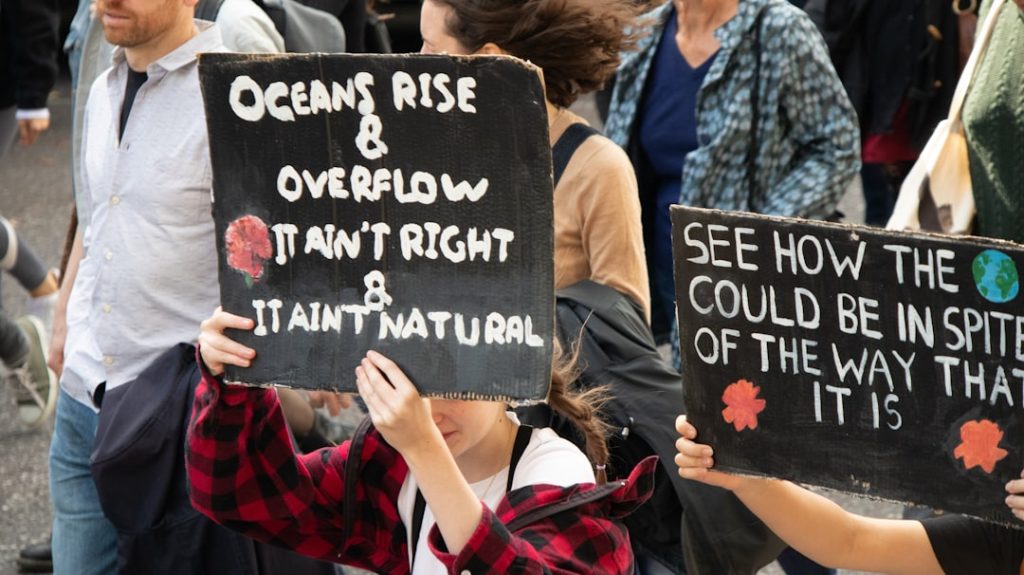
Photo by Robin-Fleur Jilderda on Unsplash
Stay Connected with Flamr
Don’t forget to follow Flamr on social media!