Gaza Ceasefire: An Illusion or a Step Toward Peace?
In a world that often seems divided beyond repair, stories of hope and reconciliation are vital. Yet, as the dust settles on the latest ceasefire agreement in Gaza, many residents find themselves questioning its authenticity and impact. This isn’t just a local issue; it’s a matter that resonates globally, reflecting deep-seated political dynamics and the human yearning for peace. The Intercept’s recent article, We Asked People in Gaza What They Think of the Ceasefire: “Just a Declaration, Not Reality”, captures the voices of those living in the epicenter of this conflict, offering insights that challenge the official narrative.
The Heart of the Story
According to The Intercept, Israel and the Trump administration assert that a ceasefire is in place, suggesting a move towards stability and peace. However, dozens of residents in Gaza tell a different story. They describe the ceasefire as a mere declaration, not reflected in their daily realities, where airstrikes and bombings continue to disrupt lives and instill fear. This discrepancy between official statements and lived experiences raises critical questions about the effectiveness and sincerity of such agreements.
Read the full article: We Asked People in Gaza What They Think of the Ceasefire: “Just a Declaration, Not Reality” (The Intercept)
Progressive Analysis: A Look Beyond the Headlines
Progressive movements worldwide advocate for peace, justice, and human dignity. The situation in Gaza starkly illustrates the challenges these ideals face. While ceasefires are ostensibly steps toward peace, they often fall short due to lack of enforcement and genuine commitment from involved parties. This situation underscores the need for a more robust approach to conflict resolution that prioritizes human lives over political gains.
A progressive perspective sees the ceasefire not merely as a political tool but as an opportunity to initiate meaningful dialogue, build trust, and address the root causes of conflict. The voices from Gaza remind us that declarations are hollow without tangible changes on the ground. For activists and policymakers committed to peace, this means advocating for accountability and transparency in the implementation of ceasefires and peace agreements.
The Broader Context: Historical and Global Perspectives
Historically, the Israeli-Palestinian conflict has been a flashpoint for international tension and activism. From protests to diplomatic interventions, the global community has long been invested in finding a resolution. The ongoing struggles in Gaza are a microcosm of broader issues of colonialism, power dynamics, and human rights violations.
Globally, progressive movements have been instrumental in pushing for change. Their efforts have led to greater awareness and sometimes shifts in policy. The challenge remains in translating this advocacy into concrete actions that ensure enduring peace and justice. The situation in Gaza is a reminder of the work still needed to dismantle systems of oppression and build equitable societies.
Implications for the Progressive Movement
The disconnect between official narratives and the reality on the ground in Gaza has significant implications for the progressive movement. It highlights the necessity for vigilance and skepticism regarding official statements. Progressives must continue to amplify marginalized voices and demand accountability from governments and international bodies.
- Advocacy: Strengthening global networks to support peace initiatives and human rights.
- Education: Raising awareness about the complexities of the conflict and the lived experiences of those affected.
- Action: Encouraging direct involvement through campaigns, petitions, and support for organizations working on the ground.
Different Perspectives: Beyond Black and White
The situation in Gaza is complex, with multiple stakeholders and perspectives. While residents’ testimonies are crucial, understanding the motivations of other parties involved is equally important. Governments, international organizations, and non-state actors all play roles that influence the outcome of ceasefires and peace talks.
For progressives, this means engaging in nuanced dialogue that considers diverse viewpoints. It involves listening to all parties, recognizing legitimate concerns, and working collaboratively to find solutions that prioritize human dignity and peace.
Reflection and Call to Action
As we reflect on the situation in Gaza, it’s clear that declarations alone are insufficient. Progress requires action, commitment, and a willingness to confront uncomfortable truths. For those invested in progressive values, this is a call to deepen our engagement, challenge the status quo, and build a future where peace is not just declared but lived.
Let’s strive to create a world where ceasefires are not empty promises but genuine steps toward lasting peace. This involves holding leaders accountable, supporting grassroots movements, and fostering international solidarity. Together, we can work toward a future where declarations of peace are not just hopeful words but firm realities.
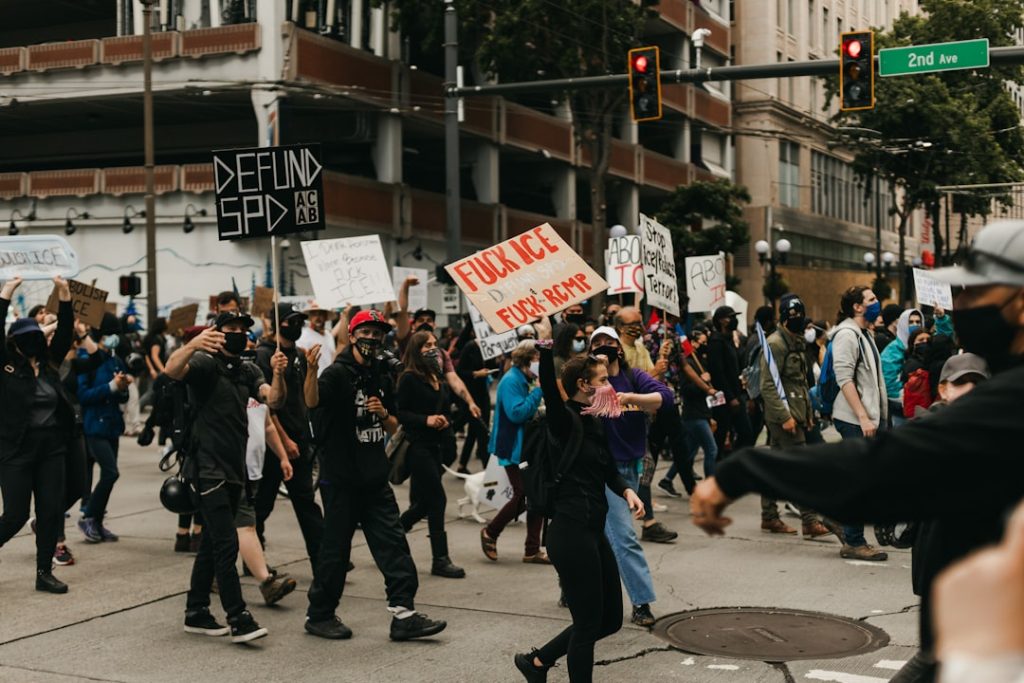
Photo by Diogo Fagundes on Unsplash
Stay Connected with Flamr
Don’t forget to follow Flamr on social media!